

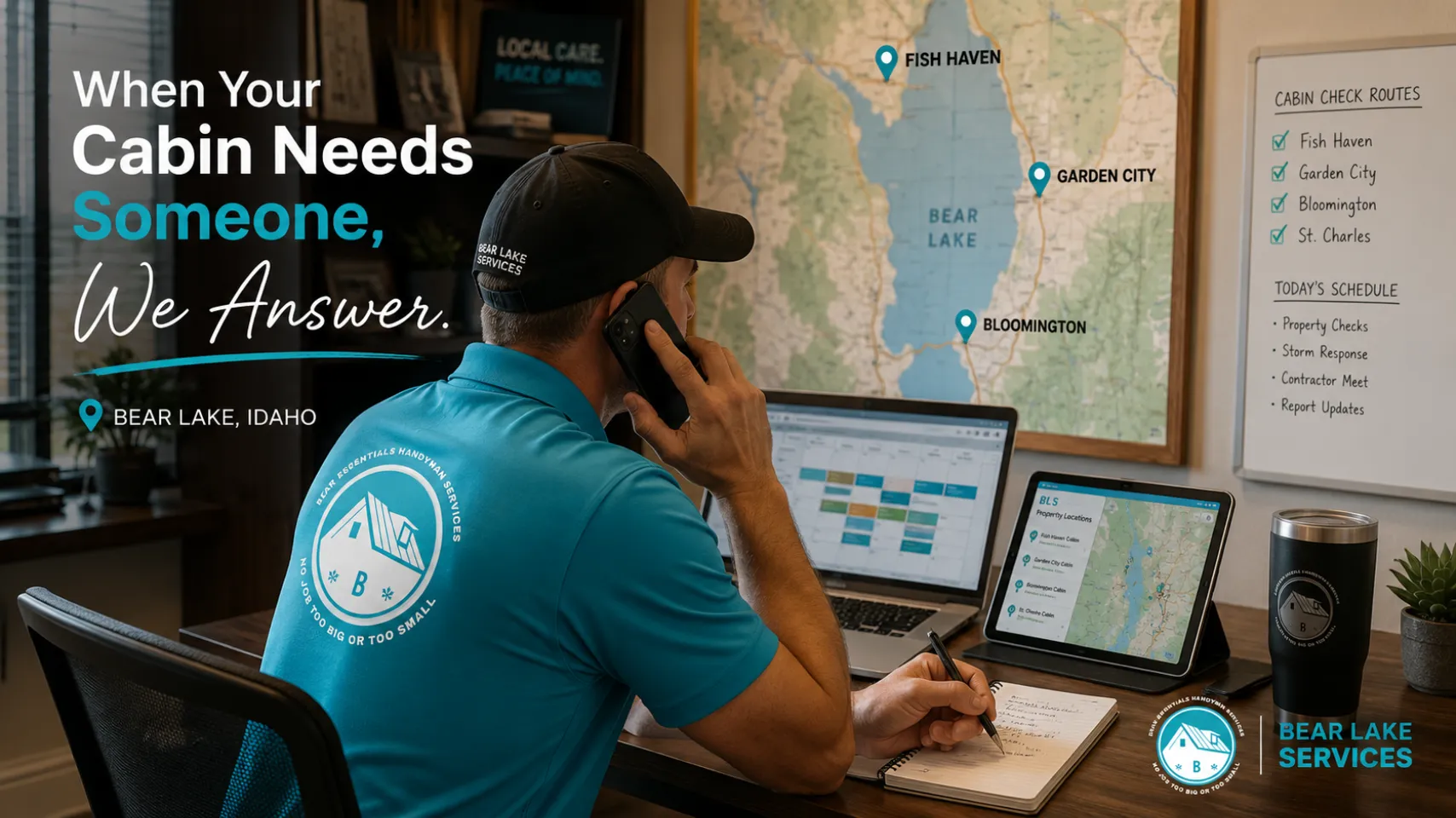
29 Jul Who to Call for Emergency Cabin Services in Bear Lake?
Who Can Help If Something Happens to My Cabin While I’m Away?
Written by Stu, Lead Technician at Bear Lake Services, helping cabin owners, vacation rental hosts, and seasonal property owners with handyman services, HVAC-related maintenance checks, monthly cabin checks, lot clearing, and property maintenance throughout Fish Haven, Bear Lake, Bloomington, Garden City, and surrounding communities.
Whether it’s a summer storm, a fallen tree, or an unexpected maintenance issue, here’s what Bear Lake cabin owners should know about having someone local who can respond when they can’t.
For many people, owning a cabin around Bear Lake means spending weekends fishing, boating, hiking, or simply enjoying time with family.
But when the trip ends and everyone heads home, one question often lingers:
“What happens if something goes wrong while we’re away?”
Unlike a primary residence, vacation cabins may sit empty for days, weeks, or even months between visits. During that time, weather changes, maintenance needs continue, and unexpected situations can happen without anyone noticing right away.
While no property owner can prevent every emergency, having a plan before something happens can make responding much easier.
For many seasonal homeowners, that plan starts with having a trusted local contact who can check the property, document visible conditions, and coordinate the next steps if needed.
Who Should I Call If Something Happens to My Cabin?
The answer depends on the situation.
Some issues require emergency responders.
Others simply require someone local who can safely visit the property, determine what’s happening, and communicate with the owner.
For example:
A neighbor may notice a tree blocking the driveway.
A vacation rental guest may report a broken window.
A contractor may need access while you’re out of state.
A severe thunderstorm may leave debris around the property.
A family member may receive an unexpected phone call from a utility company.
Not every situation requires immediate repairs.
Often, the first priority is simply confirming what’s happening.
That usually involves:
Visiting the property
Taking photographs
Checking for visible damage
Contacting the owner
Determining whether additional services are needed
For owners living outside southeastern Idaho, having someone local available can reduce uncertainty during situations where traveling immediately isn’t practical.
What If a Storm Passes Through While I’m Away?
Summer thunderstorms are common throughout southeastern Idaho.
According to the National Weather Service, thunderstorms in the Intermountain West can produce strong wind gusts, hail, heavy rain, and lightning capable of causing localized property damage.
While every storm is different, homeowners often wonder: “Should someone check my cabin afterward?”
The answer depends on the severity of the storm and whether there are visible signs that the property may have been affected.
Examples include:
Fallen branches
Damaged fencing
Missing shingles visible from the ground
Debris around the property
Standing water
Gravel driveway washouts
Exterior damage caused by wind
The purpose of a post-storm property visit isn’t to perform repairs immediately.
Instead, it’s to understand the condition of the property so the owner can make informed decisions about what to do next.
For many out-of-town owners, photographs and written observations provide valuable information before arranging repairs or filing insurance claims.
If Something Happens, Who Usually Responds First?
The appropriate first response depends on the situation.
Common Cabin Emergencies and Typical First Steps
Every situation is different.
The goal isn’t to assume the worst.
It’s to confirm what’s actually happening before deciding on the next step.
Can Someone Meet Contractors If I Can’t Be There?
This is one of the most common questions seasonal property owners ask.
Scheduling repairs isn’t always the difficult part.
Being present when contractors arrive often is.
Whether it’s replacing a water heater, repairing storm damage, servicing HVAC equipment, or completing seasonal maintenance, many owners simply can’t leave work and travel several hours to meet a contractor.
Having a trusted local contact can help bridge that gap.
Depending on the arrangement, a local representative may be able to:
Open or provide access to the property.
Meet scheduled contractors.
Confirm the work location.
Document conditions before and after work begins.
Update the owner with photographs and notes.
For owners who live outside Idaho, this can save both travel time and unnecessary delays.
Can Someone Be My Local Emergency Contact?
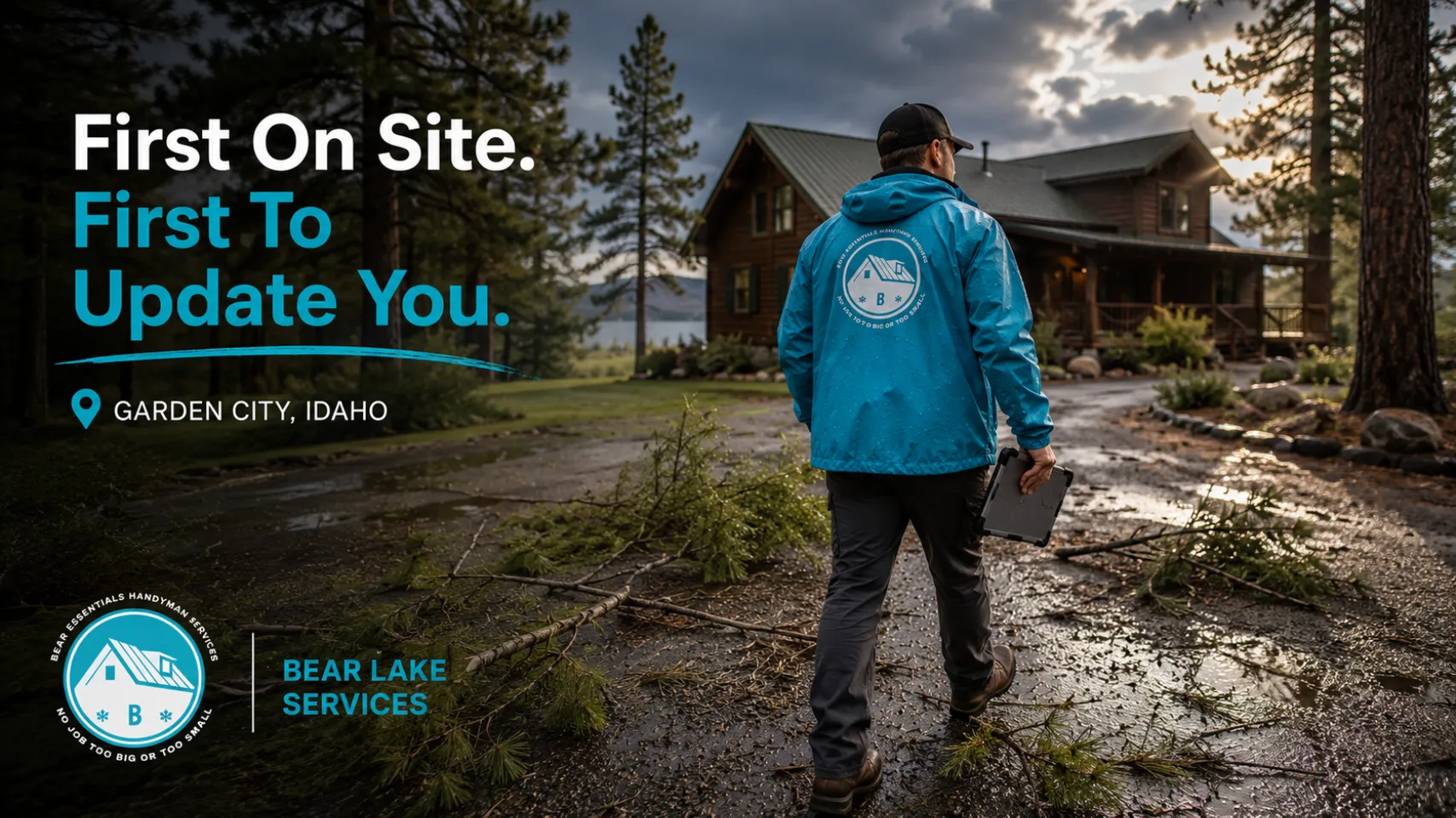
Many seasonal homeowners choose to designate a local emergency contact for their vacation property.
That contact may be:
A nearby family member
A trusted friend
A neighbor
A professional property maintenance company
The role isn’t necessarily to perform repairs.
Instead, it’s to provide a reliable local point of contact when something unexpected happens.
Depending on the situation, that person may:
Visit the property.
Verify reported concerns.
Take photographs.
Coordinate access for contractors.
Communicate updates to the owner.
Recommend additional maintenance if needed.
For cabins that remain vacant for extended periods, having someone familiar with the property often makes responding to unexpected situations much more manageable.
Why Acting Quickly Can Make a Difference
Not every maintenance issue becomes a major repair.
But the longer a problem goes unnoticed, the greater the opportunity for additional damage or inconvenience.
According to the Insurance Information Institute (Triple-I), prompt attention to property issues can help reduce preventable losses and may simplify the repair process by identifying problems before they worsen.
Similarly, FEMA encourages homeowners to inspect properties after severe weather events when it is safe to do so, documenting conditions and addressing hazards as early as possible.
For seasonal cabin owners who may be hundreds of miles away, a local property visit can provide the information needed to decide whether immediate action is necessary—or whether the issue can simply be scheduled for the next maintenance visit.
What Happens After Someone Checks My Cabin?
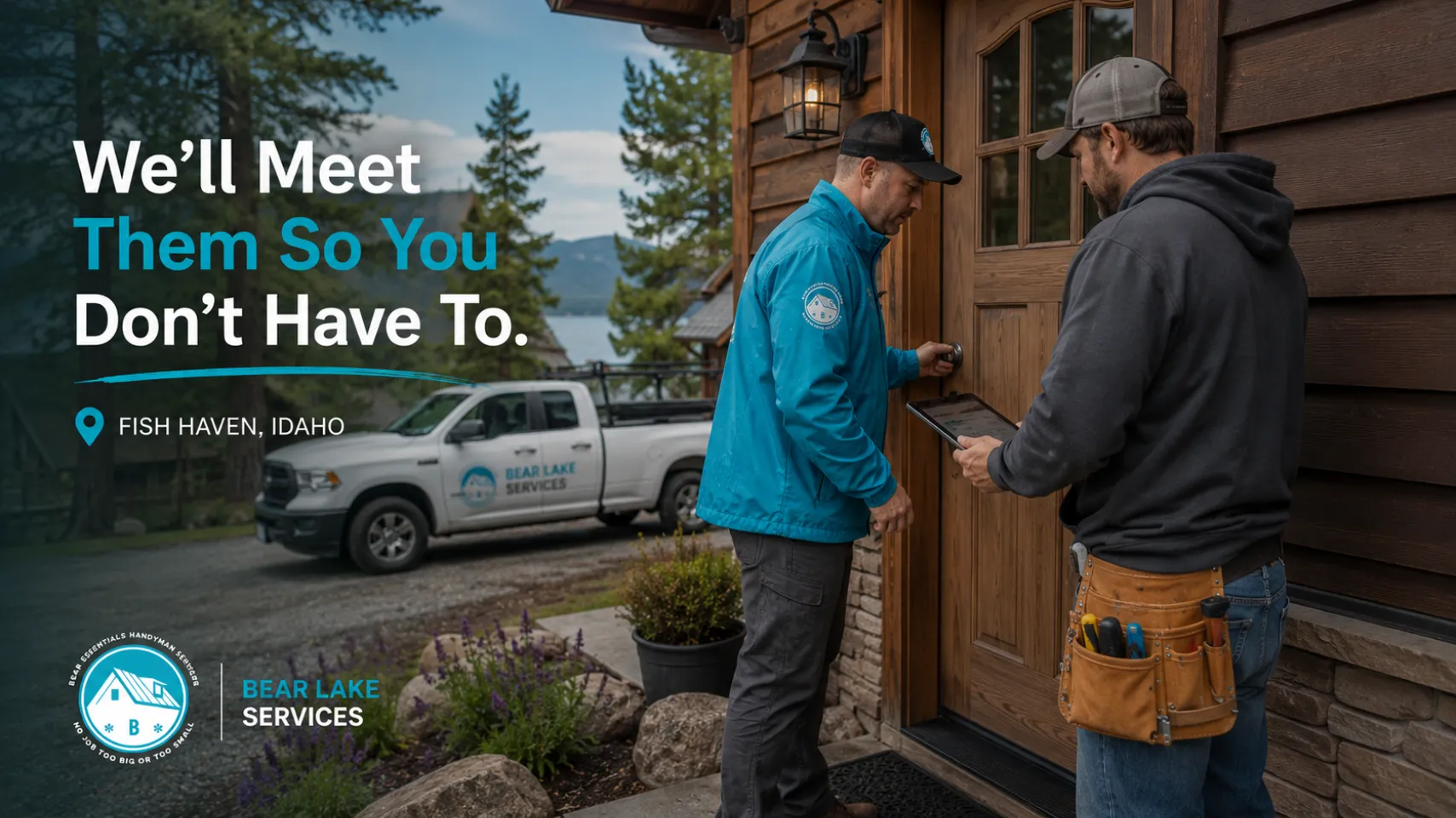
One of the biggest benefits of having someone local respond isn’t simply knowing they visited the property.
It’s knowing what they found.
For most cabin owners, the first questions after an emergency are:
Is everyone okay?
How bad is it?
Do I need to drive up immediately?
Can this wait until next weekend?
What should I do next?
A property visit helps answer those questions with facts instead of assumptions.
Rather than relying on secondhand information, the owner receives updates based on what was actually observed at the property.
That may include:
Current photographs
Notes about visible damage
Areas that appear unaffected
Immediate safety concerns, if any
Recommendations for next steps
This allows owners to make informed decisions without feeling pressured to travel before they understand the situation.
What Usually Happens After an Emergency Property Visit?
Every situation is different, but most emergency responses follow a similar process.
What to Expect After an Emergency Property Visit
The goal isn’t simply responding to an emergency.
It’s helping owners understand what happened so they can decide how they want to proceed.
What Does Bear Lake Services’ Emergency Contact Program Actually Do?
Many people hear the words “Emergency Contact Program” and assume it means someone is waiting at the cabin 24 hours a day.
That’s not how it works.
Instead, the program provides cabin owners with a trusted local point of contact if something unexpected happens while they’re away.
For seasonal homeowners throughout Fish Haven, Garden City, Bloomington, Laketown, St. Charles, and surrounding Bear Lake communities, that means there is already a local team familiar with the property before an emergency ever occurs.
Depending on the services selected, the program may include:
Emergency contact registration for your cabin
Priority response when emergency situations arise
The program’s prepaid first hour for emergency call-outs
Trip charges waived for many routine maintenance visits completed through the program
Property condition photographs
Written visit summaries
Coordination with contractors or service providers when requested
Follow-up maintenance recommendations based on visible observations
Rather than trying to find help after a storm, utility concern, or unexpected maintenance issue, owners already know who to call.
Why Many Cabin Owners Prefer Having Someone Local

Owning a second home is different from owning your primary residence.
You can’t always stop by after work.
You may not know whether a weather alert affected your neighborhood.
You might receive a phone call from a contractor who needs access while you’re several states away.
For many Bear Lake cabin owners, the greatest value isn’t emergency repairs.
It’s having someone nearby who can respond quickly, provide accurate information, and help coordinate what happens next.
That local relationship often saves owners time, reduces uncertainty, and helps maintenance projects continue without unnecessary delays.
Is an Emergency Contact Program Right for Every Cabin Owner?
Not necessarily.
Some owners live nearby and visit their property every week.
Others have family members or trusted neighbors who regularly check on the cabin.
However, an emergency contact program may be worth considering if:
You live outside the Bear Lake area.
Your cabin sits vacant for extended periods.
You own a seasonal vacation home.
You rent your cabin to guests throughout the year.
You travel frequently for work.
You want someone local who already knows your property if something unexpected happens.
Having a plan before an emergency occurs often makes responding much easier than trying to organize everything after the fact.
The Bottom Line
No homeowner can prevent every unexpected event.
Storms happen.
Mechanical systems occasionally fail.
Trees fall.
Contractors need access.
Unexpected phone calls arrive when you’re hundreds of miles away.
What you can do is decide ahead of time how those situations will be handled.
For many seasonal cabin owners around Bear Lake, having a trusted local contact provides reassurance that someone can visit the property, document conditions, communicate updates, and help coordinate the next steps if needed.
Bear Lake Services’ Monthly Emergency Contact & Property Check Program was created with that goal in mind—helping cabin owners stay informed and connected to their property, even when they can’t be there in person.
Looking for a Trusted Local Emergency Contact for Your Cabin?
If you own a seasonal cabin in Fish Haven, Garden City, Bloomington, St. Charles, Laketown, or the surrounding Bear Lake area, having a local team available before an emergency happens can make property ownership much less stressful.
Bear Lake Services’ Monthly Emergency Contact & Property Check Program was created specifically for out-of-town and seasonal cabin owners who want a reliable local contact to help monitor their property, respond to unexpected situations, and keep them informed while they’re away.
Program benefits include:
✔ Monthly property checks
✔ Emergency contact registration
✔ Priority emergency response
✔ First emergency call-out hour included
✔ Trip charges waived for many maintenance visits
✔ Photo reports after every visit
✔ Local coordination with contractors when needed
Learn more about our Monthly Emergency Contact & Property Check Program or contact Bear Lake Services to find the right plan for your cabin.
Frequently Asked Questions
Who can check my cabin after a storm?
Many property owners ask a trusted local contact, neighbor, or professional maintenance company to inspect the property after significant weather events and provide photographs or updates.
Can someone meet contractors at my cabin?
Yes. Many seasonal homeowners arrange for a local representative to provide property access, meet contractors, and communicate updates while the owner is away.
What happens during an emergency property visit?
Typically, someone visits the property, documents visible conditions with photographs, communicates findings to the owner, and discusses any recommended next steps.
Does an emergency contact replace homeowners insurance?
No. An emergency contact program does not replace insurance coverage. Instead, it provides local assistance with documenting conditions and coordinating responses after unexpected events.
Should I have an emergency contact if I live out of state?
Many out-of-state cabin owners choose to have a trusted local contact because traveling immediately after every maintenance issue or weather event isn’t always practical.
Can emergency property visits help with insurance claims?
Photographs and documented observations may help owners better understand property conditions after an incident. Insurance companies may have their own documentation requirements, so owners should always follow guidance from their insurer.
What kinds of emergencies are most common for seasonal cabins?
While every property is different, seasonal homeowners commonly respond to storm damage, fallen trees, water leaks, broken windows, wildlife intrusion, utility concerns, and contractor access requests.
Sources
National Weather Service (NOAA). Thunderstorms & Severe Weather Safety
https://www.weather.gov/safety/thunderstormFederal Emergency Management Agency (FEMA). Protect Your Property Before and After Disasters
https://www.ready.govInsurance Information Institute (Triple-I). Homeowners Insurance & Preventing Property Losses
https://www.iii.orgIdaho Office of Emergency Management. Preparedness Resources for Idaho Residents
https://ioem.idaho.govNational Fire Protection Association (NFPA). Wildfire Preparedness and Home Protection
https://www.nfpa.org